Following a number of serious and fatal collisions involving motorcyclists and cyclists across Suffolk and Norfolk, we’re urging drivers, riders and cyclists alike to recognise that road safety is a shared responsibility.
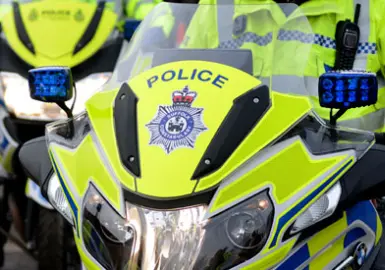
Suffolk Police is supporting the National Police Chiefs’ Council (NPCC) two-wheel campaign this June, which focuses on reducing risk and improving safety for motorcyclists and cyclists.
The campaign aims not only to encourage riders to make safer choices, but also to remind other drivers of their responsibility to remain vigilant and look out for more vulnerable road users.
Every person using the road network, whether behind the wheel, on two wheels, or on foot, has a critical role to play in preventing life-changing and fatal collisions.
Tim Passmore, Suffolk’s Police & Crime Commissioner, said: “I fully support this road safety campaign and hope increased awareness of the dangers that motorcyclists and cyclists face when they are out on our county’s roads, has a positive impact on road safety in the county.
“It is a very sad fact that those on motorcycles are much more likely to be injured on the road than a driver – which is a sobering thought and something all road users need to be aware of.
“Road safety is the responsibility of every one of us – we really do need to look out for each other.”
Drivers are being urged to:
- Look twice and expect to see motorcyclists and cyclists, especially at junctions and roundabouts
- Give vulnerable road users space, allowing safe distances when overtaking
- Check mirrors and blind spots carefully before turning or changing lanes
- Exercise patience on rural roads, where hazards and visibility issues are common
Motorcyclists are reminded to:
- Carry out essential pre-ride safety checks, including tyres, lights, oil and fuel
- Ensure MOTs are valid and bikes are roadworthy
- Wear appropriate protective gear at all times
- Ride to road and weather conditions, particularly where winter damage has left surfaces compromised
- Allow extra time for journeys and anticipate hazards
We would recommend any rider, no matter how experienced, to consider participating in a ‘Safe Rider’ workshop. The scheme comprises a series of downloads to keep, a two-and-a-half hour evening session and a five-hour road session. Riders will be introduced to the Police Roadcraft system - the cornerstone of police riding.
The workshop provides individuals with professional advice and confirms their strengths and identifies their weaknesses as a rider. During the road session you will receive a demonstration ride by a police rider and there will be an opportunity to have your riding assessed with constructive feedback.
More information can be found here:
Road safety course | Suffolk Constabulary
Cyclists, equally exposed, are encouraged to remain highly visible, predictable in their movements, and aware of changing road conditions—particularly on rural routes shared with faster-moving traffic.
Chief Inspector Gary Miller, Head of the Joint Norfolk and Suffolk Roads and Armed Policing Team, said: “We’ve spoken a lot in recent weeks about bike safety and will continue to do so whilst bikers and cyclists are being killed and seriously injured on our roads.
“Every road user has a responsibility to travel with care and remain alert to others around them. Our rural road network brings its own challenges, with narrow lanes, bends, dips and limited visibility from hedgerows and other features. You can also expect to encounter slower-moving traffic such as agricultural vehicles, cyclists, horse riders and pedestrians, all of which require patience and awareness.
“As a motorcyclist and cyclist myself, I know how the enjoyment and risks of being on two wheels. Keeping our roads safe is a shared duty. We need motorists to drive with care, actively look out for motorcyclists and cyclists, and give them the space they need. They have just as much right to get home safely as anyone else.”